Acadia - the historic French-Canadian region spanning Nova Scotia, New Brunswick, and Prince Edward Island - rewards travellers who plan their accommodation by sub-region rather than by province. Motels here are the dominant mid-range option, and for good reason: the landscape is coastal, distances between towns are significant, and a car is almost always required. Choosing the right motel in the right town directly determines how much time you spend driving versus exploring.
What It's Like Staying in Acadia
Acadia is not a compact urban destination - it is a sprawling coastal and rural region where towns like Digby, Chéticamp, Annapolis Royal, Summerside, and Saint Stephen each serve as independent bases. A car is non-negotiable: no regional rail links these communities, and bus connections are infrequent. Crowd patterns are sharply seasonal, with July and August bringing the bulk of visitors to the Cabot Trail, Bay of Fundy shores, and PEI's north coast, while shoulder months like June and September offer quieter roads and more available rooms at lower rates. Travellers who come expecting a walkable, urban hotel district will be surprised - most motel stays here are destination-based, with each property acting as a hub for day trips rather than a transit point.
Pros:
- Coastal scenery and access to UNESCO-listed landscapes like Cape Breton Highlands directly from your motel door
- Free parking is standard across virtually all motel properties in the region - no urban parking fees
- Lower nightly rates compared to urban Canadian hotels, making multi-night stays financially accessible
Cons:
- No public transit between towns - renting a car is mandatory for any meaningful exploration
- Limited dining options after 9 PM in smaller communities like Chéticamp and Annapolis Royal
- Peak-season availability drops sharply in July and August, especially near the Cabot Trail and Bay of Fundy
Why Choose a Motel in Acadia
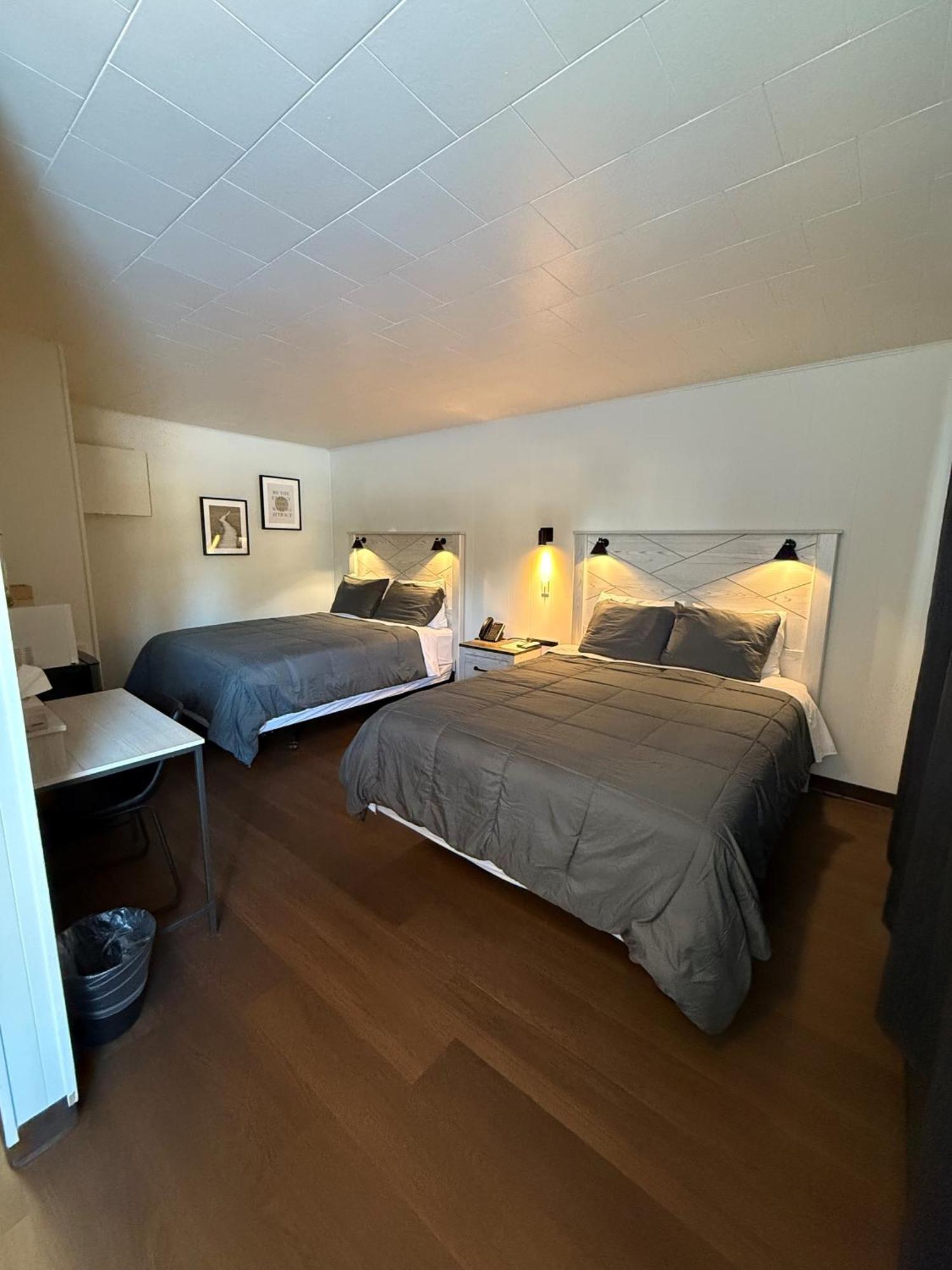
Motels in Acadia are not a compromise - they are the practical default for road-trippers and nature-focused travellers who need reliable parking, easy check-in, and proximity to trailheads or ferry terminals rather than boutique design. Nightly rates at well-positioned Acadian motels typically run around 30% lower than comparable inn or B&B options in the same towns, while room footprints tend to be larger, frequently including kitchenettes or microwaves and fridges that reduce meal costs on longer trips. The trade-off is that motel properties here rarely offer on-site restaurants beyond breakfast, and evening ambience is limited - these are functional bases, not social hubs. For families driving the Cabot Trail circuit, cyclists touring PEI, or couples using Digby as a ferry gateway to New Brunswick, motels in Acadia deliver the right balance of cost, space, and convenience.
Pros:
- In-room kitchenette amenities (microwave, fridge) reduce food costs significantly on multi-night stays
- Direct vehicle access to rooms or ample free parking eliminates the logistics friction common in city hotels
- Consistent free Wi-Fi and cable TV across the category - reliable for remote workers or families
Cons:
- Limited or no on-site dining - guests must drive to town for dinner in most locations
- Aesthetic and design quality is functional rather than boutique - not suited for special-occasion stays
- Seasonal closures apply to some properties and amenities (pools, hot tubs) outside June-September
Practical Booking & Area Strategy in Acadia
The most strategically useful motel locations in Acadia depend entirely on your itinerary arc. Travellers crossing between Nova Scotia and New Brunswick via the Digby-Saint John ferry should anchor in Digby the night before departure - properties here are within 5 km of the terminal, and early ferry sailings make proximity essential. For Cape Breton Highlands exploration, Chéticamp is the western gateway town, sitting directly on the Cabot Trail with trail access minutes from local motels. On PEI, Summerside operates as the island's second city and offers motel options with better availability than Charlottetown during summer peaks, with Charlottetown Airport around 48 km away. Annapolis Royal in the Annapolis Valley is a historically dense town - Fort Anne National Historic Site and the Historic Gardens are walkable from certain properties - making it the most culturally layered motel base in the region. Book at least 6 weeks ahead for any July or August stay near Cape Breton or the Bay of Fundy coast; last-minute availability in peak season is limited and prices spike sharply.
Best Value Stays
These motel properties deliver strong logistical value - practical room amenities, free parking, and strategic positioning near key Acadian destinations - at accessible price points suited for road-trippers and budget-conscious travellers.
-
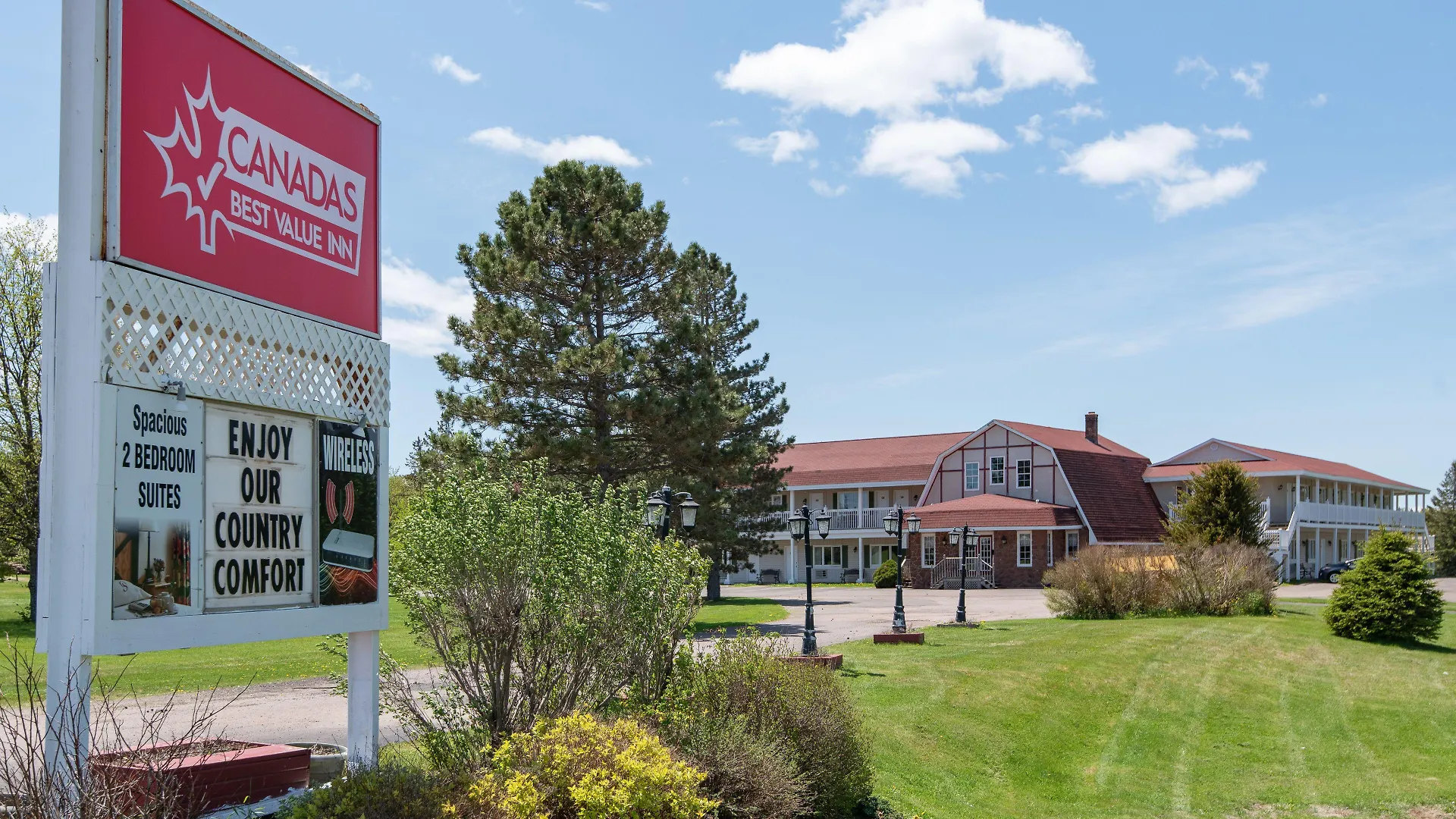
1. Canadas Best Value Inn & Suites Summerside
Show on map


 Check-infrom 15:00 until 17:00Check-outfrom 08:00 until 11:00
Just a few rooms left at the best rate!
fromC$ 117
-
2. Winsome Inn
Show on map


 Check-infrom 15:00 until 23:00Check-outfrom 08:00 until 11:00
Just a few rooms left at the best rate!
fromC$ 102
-
3. Cornerstone Motel
Show on map


 Check-infrom 15:00 until 22:00Check-outuntil 10:00
Hurry – almost gone at this price!
fromC$ 168
Best Premium Stays
These motel properties stand out for added amenities - on-site pools, breakfast inclusion, or proximity to major historic sites - that elevate the stay beyond a standard overnight stop and justify a slightly higher nightly rate.
-
4. Annapolis Royal Inn & Suites
Show on map


 Check-infrom 15:00 until 20:00Check-outfrom 07:00 until 12:00
Hurry – almost gone at this price!
fromC$ 188
-
5. Coastal Inn - Kingfisher
Show on map


 Check-infrom 15:00 until 23:00Check-outfrom 07:00 until 11:00
Rooms filling fast – secure the best rate!
fromC$ 146
Smart Travel & Timing Advice for Acadia
Late June and September are the strongest windows for motel stays across Acadia: crowds on the Cabot Trail and in Annapolis Royal thin noticeably, nightly rates drop compared to July-August peaks, and weather remains reliable for coastal hiking and Bay of Fundy tide-watching. July and August are the most congested months - particularly in Chéticamp, where the Cape Breton Highlands draw heavy traffic - and motel availability near the National Park can evaporate quickly without advance reservations. Book at least 6 weeks ahead for any summer stay in Chéticamp or Digby; Summerside and Saint Stephen have more consistent availability but still tighten in mid-July. For most Acadian itineraries, a minimum of 3 nights per sub-region makes logistical sense - the driving distances between PEI, the Annapolis Valley, and Cape Breton mean that one-night stops rarely allow meaningful exploration. Winter travel is possible in Annapolis Royal and Saint Stephen, both of which have year-round motel options, but most Cape Breton and PEI coastal properties reduce operations significantly between November and April.